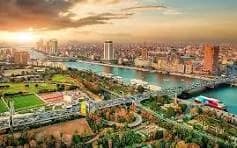
Nile River
The Nile River is the world ' s longest river (about 650 km) and passes in 11 African States, from the Viktoria lake and others) to the Mediterranean.
The Nile River is the world ' s longest river (about 650 km) and passes in 11 African States, from the Viktoria lake and others) to the Mediterranean.
Within Egypt, the Nile begins from the border with the Sudan and flows north to split in the delta into the Rashid and Dimato branches, and then to the Mediterranean.
The river feeds
Most water uses in Egypt: drinking water, agricultural irrigation, industry and a major source of natural fisheries.
Biological diversity and species of fish in the Nile River
Historically, Niles had more than 100 species of fish, but some species had decreased or disappeared because of pollution and environmental changes such as high dam construction.
Current common species: nalytes, eggs, strawberries, congrats, dust and other local species that salt water enters near the course in Delta. (Note: general sources indicate the existence of these species, but detailed scientific data may require field research or specialized academic sources)
Water production and natural fisheries from Nile
From Egypt ' s total fish production (approximately 2 million tons annually), natural fishing from Niles and lakes represents less than production from fish farming.
In some governorates such as Kafr Sheikh, production from the Nile River and its channels is part of total fish production, for example, the hunter captain states that the governorate produces about 25,000 tons of fish annually from the Nile River in the governorate alone.
Efforts to maintain and develop Nile fisheries
Laws and controls: There are prohibited and restricted areas in the Nile stream, including mining controls, investment of river property.
The River Income Management Committee follows the quantity of imported water, rainfall rates, optimum operation of the high dam to ensure regular and appropriate water flow.
Initiatives to support fishermen: such as the " safe platform " initiative, fishing requirements, boat tracking support, application of fishing controls, improvement of fishing gear and equipment.
Local and regional development: development of lakes and natural fisheries areas, assessment and removal of erosion on edges, improvement of the water environment, water quality control
Proposed future vision
Here are some ideas that may be useful to AWF if formally adopted or promoted:
Scientific map of Nile fish species: periodic field studies to identify threatened species, reproduction periods, preferred assembly sites and sensitive environments.


