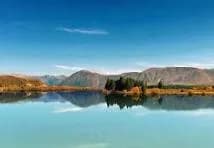
Lake Nasser
Lake Nasser is a large artificial reservoir formed after the construction of the Aswan High Dam. The lake began filling in 1964. The Egyptian portion is known as Lake Nasser, while the Sudanese portion is known as Lake Nubia.
It includes associations such as:
1. The Aswan Fishermen's Cooperative (Mother)
2. The Nubian Fishermen's Cooperative in Aswan
3. The Aswan Governorate Fishermen's Cooperative
4. The Integrated Cooperative for Fishermen in the villages of Qastal and Adindan, Aswan
Area
Approximately 6,216 km² in total, of which ~5,248 km² are within Egypt.
Depth
The depth ranges to approximately 180 meters in some areas.
The shores and creeks (khors)
The lake contains approximately 85 creeks (wadis), the most important of which are Khor Tishka, Khor Kalabsha, Khor Al-Allaqi, and others. These creeks are characterized by shallow waters and form suitable environments for the breeding and feeding of aquatic life.
Water level fluctuations
There are seasonal and annual variations in water level, which affect the activity of fisheries as well as the shallow creeks.
Fisheries and Species
Annual Production
Production varies – depending on the year – between approximately 25,000 and 30,000 tons in good seasons. For example, in 2020, production was around 25,100 tons.
Main species:
- Nile tilapia and other tilapia species (Tilapia spp.).
- Nile perch.
- Predatory fish such as Hydrocynus (e.g., tigerfish).
- Species such as Alestes spp. and Barbus spp.
- A total of approximately 57 species have been recorded in the lake.
Fishing Styles and Tools
• Shallow creeks are used with tools such as trammel nets and shore fishing.
• In open water, gill nets and longlines are used.
• There are many boats (over 3,000 by some estimates) and hundreds or thousands of fishermen operating on the lake.
Economic and social importance
Lake Nasser provides an important source of fish for the food of the population in Upper Egypt (Aswan Governorate and surrounding areas), and also exports a portion of its products or transports them to Cairo and the markets of northern Egypt.
It provides a livelihood for thousands of fishermen and the sustenance of coastal and creek communities. Traditional fishing is a cornerstone of the economy in these areas.
It also contributes to the protection of biodiversity, especially migratory birds, and the landscapes that are important for ecotourism. Efforts and projects for development and improvement.
Fishing bans (biological rest periods): Annual decisions are made to suspend fishing for specific periods (e.g., 45 days in some years) to allow for breeding and improve fish stocks.A sustainable fisheries management plan includes increasing the legal net sizes, improving fisherman registration, monitoring declining populations, releasing tilapia fry, and regulating ports and landing sites.


