Bibliography of fisheries resources
The Information and Decision Support Center of the Egyptian Cabinet took over A bibliographical bulletin on fisheries resources, including key findings and recommendations for achieving sustainable development in the fisheries sector. Bulletin No. 219, septmper 2024
Table of Contents / Introduction, Summary and Recommendations, The Role of the State and the Private Sector, Development Pillars
Introduction to Fish Resources
The fish resources sector is one of the most important sectors for both food security and economic development in Egypt, as Egypt enjoys a diversity of fish resources and fish production, which include natural fisheries, which cover an area of more than 13.5 million acres, and include the Mediterranean Sea, the Red Sea, lakes, as well as the Nile River and its branches.This is in addition to fish farming.This gives the fish production sector a significant comparative advantage, as it provides a large quantity of white meat that works to cover the large deficit in the production of red meat from its various sources. This is in addition to the transfer of part of the demand for red meat to fish as a result of the crisis of its continuous price increases.
The "National Database of Studies: Summary of Study Recommendations" bulletin presents in this issue a collection of studies issued by various research centers, which deal with the topic of fish resources, and the most important recommendations that these studies concluded from have been selected as follows:
Summary of study recommendations:
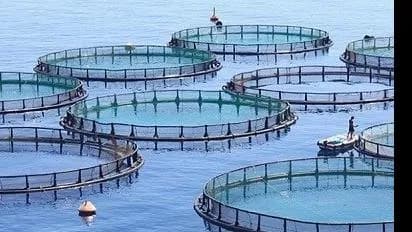
**Attention should be given to expanding fish farming projects, encouraging investment in these projects, and removing any obstacles or problems that hinder their growth.The need to pay attention to developing natural fisheries, raising their efficiency, removing obstacles, sediments, weeds, and other pollutants that limit fish production in natural fisheries such as the Nile, lakes, and seas, and the need to pay attention to providing and increasing the number of fish hatcheries.Especially near natural fisheries to provide fry in large quantities to increase fish production, and to put in place strict controls and penalties to prevent the fishing of fry and small fish.
**Providing the necessary requirements for scientific research work, recording and analyzing available information on production to benefit from it in monitoring changes that occur in the sources of fish wealth in Egypt, whether in seas, lakes or fish farming.With the establishment of central laboratories in different regions for periodic analysis, monitoring of pollution, follow-up of fish farms and environmental problems, along with the preparation of veterinarians specializing in this field.Encouraging the private sector to invest in fish farms, as they are projects with great economic feasibility, while solving the problem of feed by finding cheap local feed alternatives, and addressing the problems facing the fry in terms of their availability and transportation methods.
The cost of fish fry ranked first in the average of the production costs of fish farms, as the fry are exposed to death due to poor roads and the lack of good means of transport.The Role of the State and the Private SectorStates, governments, international organizations, research centers, and those working in the fisheries sector (both the public and private sectors) and associations operating in the field of fisheries must take the following measures:


